Thermal Imaging and Moisture Detection in Niagara Falls
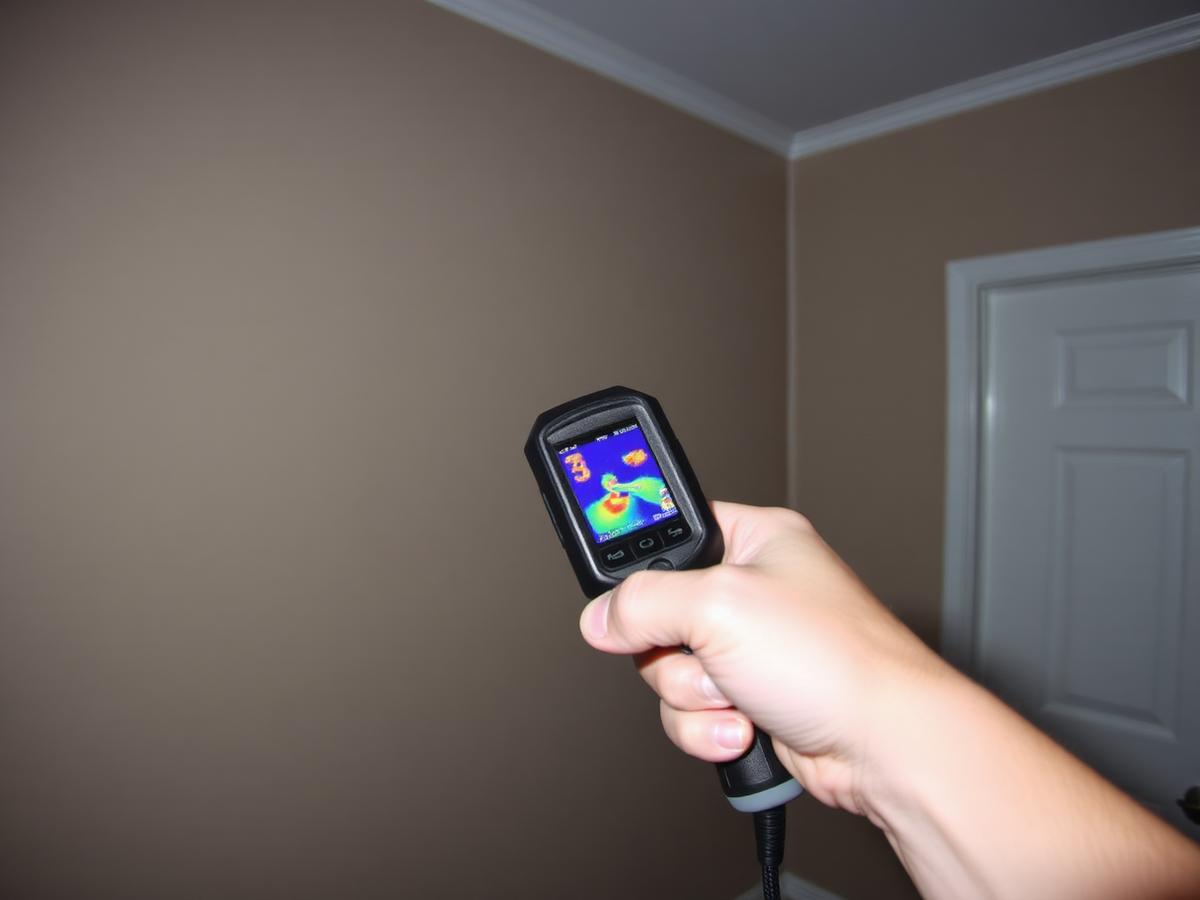
Thermal imaging highlights temperature differences that often indicate moisture. Meters then confirm whether a material is actually wet and how wet it is.
Common causes
- Water travelling laterally through floor assemblies
- Slow leaks inside walls and ceilings
- Moisture trapped under floating floors
- Condensation within building assemblies
Warning signs
- Cool spots on a wall with no visible stain
- Odour without an identifiable source
- Flooring lifting away from the wall edge
- Uneven drying progress across a room
Inspection and restoration process
- 1
Thermal scan of suspected and adjacent areas
- 2
Confirmation with pin and pinless moisture meters
- 3
Comparison against dry reference materials
- 4
Mapping of the wet perimeter
- 5
Written record of readings by location
The exact sequence depends on the water source, the affected materials and the extent of the damage at your property.
Materials commonly affected
- Drywall and plaster surfaces
- Subfloors and floating floor systems
- Ceiling assemblies and bulkheads
- Cabinet toe kicks and closed cavities
Why prompt action matters
- Untargeted drying leaves wet material behind.
- Hidden moisture is the usual source of later mould complaints.
- Accurate mapping reduces unnecessary demolition.
Frequently asked questions
No. It shows temperature differences that suggest moisture, which is then confirmed with meters.
Contact
Thermal Imaging and Moisture Detection in Niagara Falls
Describe the affected areas and we will arrange an assessment of the property.
Water Damage Niagara
5108 McRae St, Niagara Falls, ON L2E 1P5