Basement Flood Cleanup in Niagara Falls
Basements collect water first and dry last. Cool air holds less moisture, foundation walls stay damp, and finished basements hide water behind framing and vapour barrier.
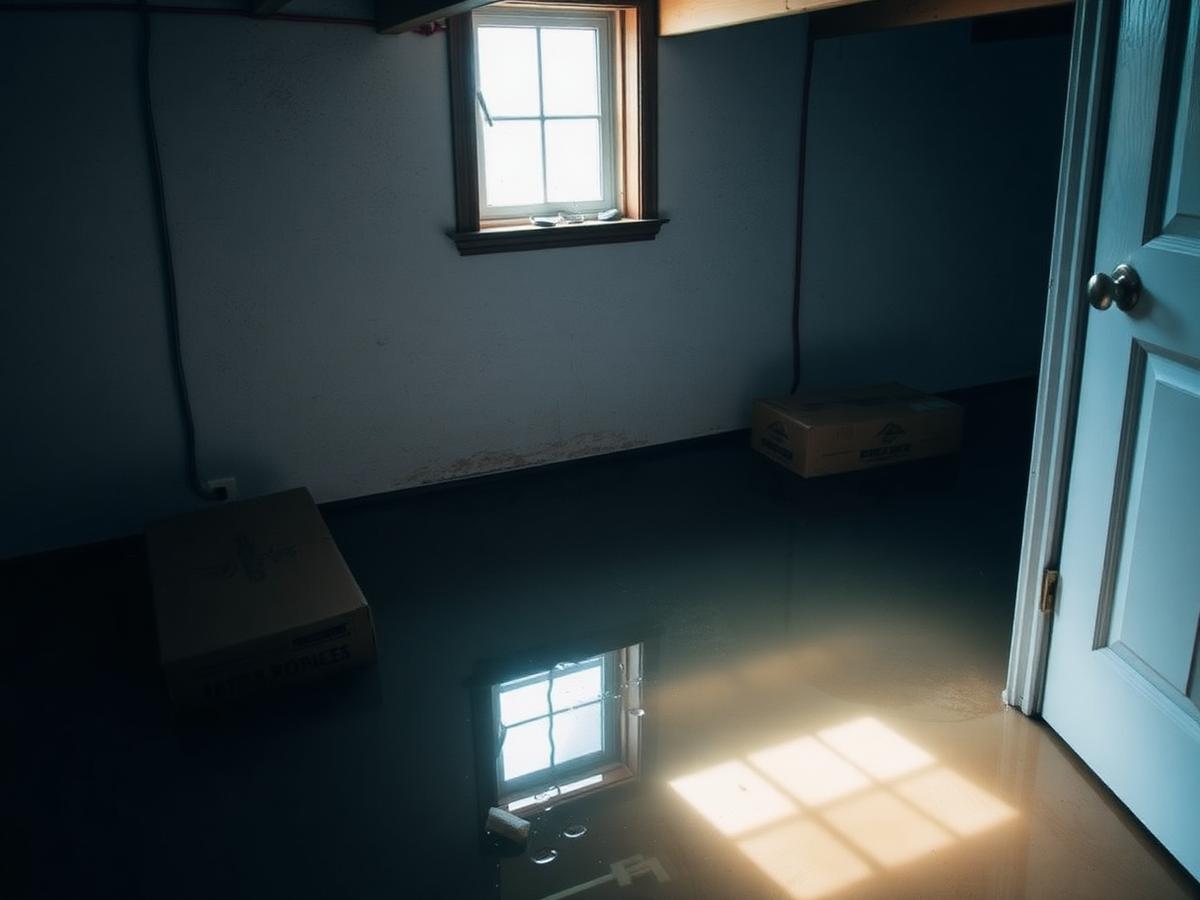
Common causes
- Sump pump failure or a power outage during a storm
- Foundation cracks and window well overflow
- Floor drain backups
- Burst pipes in unheated basement areas
Warning signs
- Damp or dark staining along the bottom of basement walls
- Efflorescence or chalky deposits on concrete
- Warped basement trim and swollen baseboards
- A heavy, damp smell at the bottom of the stairs
Inspection and restoration process
- 1
Assessment of water depth, source and contamination risk
- 2
Extraction of standing water from the slab
- 3
Removal of soaked underpad, insulation and lower drywall as required
- 4
Cleaning and sanitizing of concrete and framing
- 5
Targeted drying with dehumidification sized for the space
The exact sequence depends on the water source, the affected materials and the extent of the damage at your property.
Materials commonly affected
- Vapour barrier and framed basement walls
- Underpad, carpet and floating floors
- Stored contents, shelving and cardboard
- Concrete slab and foundation walls
Why prompt action matters
- Basement air movement is limited, so moisture lingers longer.
- Finished walls conceal moisture that keeps materials damp.
- Damp basements can affect air quality on the floors above.
Frequently asked questions
Sometimes only the lower section is removed to open the cavity, depending on how high water wicked and the water category.
Contact
Basement Flood Cleanup in Niagara Falls
Describe the affected areas and we will arrange an assessment of the property.
Water Damage Niagara
5108 McRae St, Niagara Falls, ON L2E 1P5