Mold Inspection and Testing in Niagara Falls
Mould is a moisture problem before it is a cleaning problem. An inspection looks for growth and for the water source that made the conditions possible.
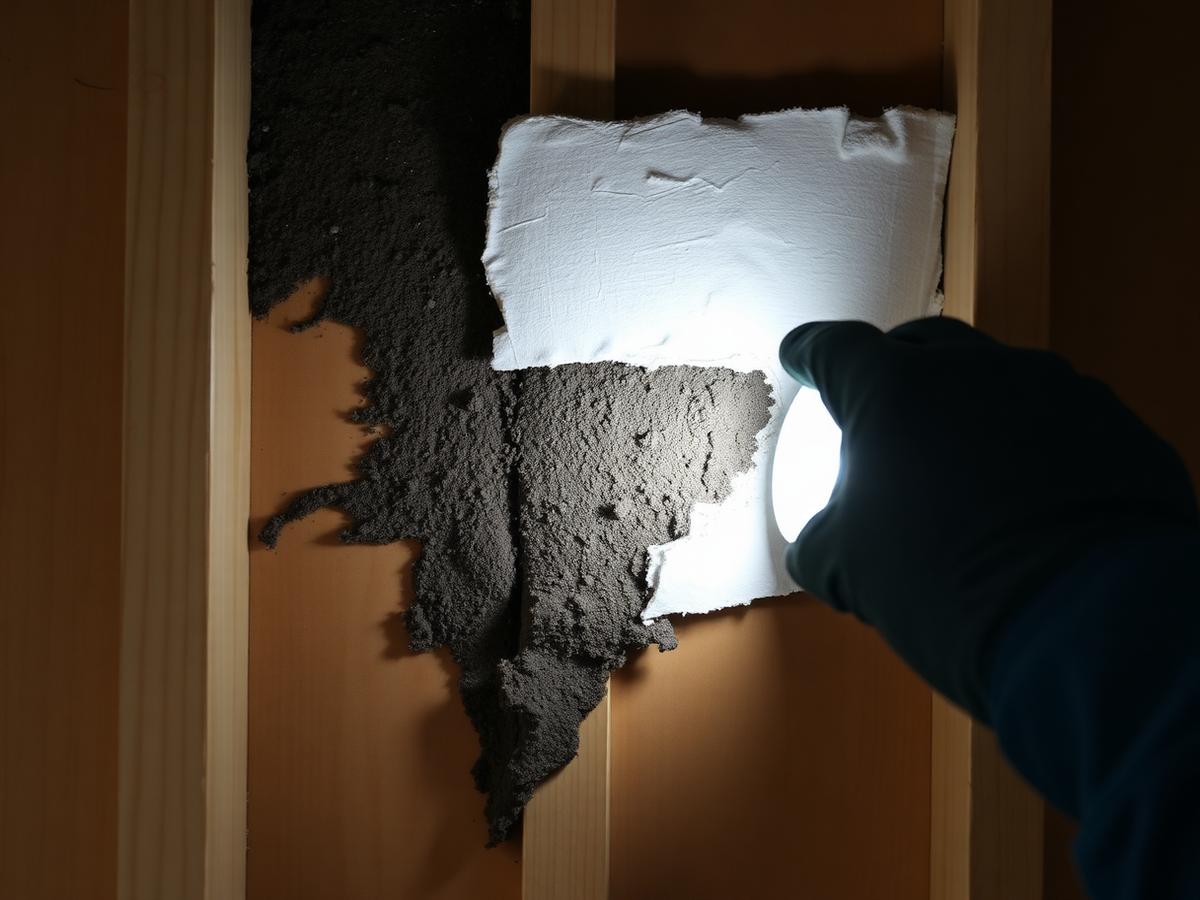
Common causes
- Water damage that was never fully dried
- Chronic condensation in cool areas
- Long-term envelope leaks
- High humidity in basements and crawl spaces
Warning signs
- Musty odour that persists
- Discolouration on walls, ceilings or trim
- Visible growth around window frames
- Symptoms that improve when away from the property
Inspection and restoration process
- 1
Interview about history of leaks and dampness
- 2
Visual inspection of susceptible areas
- 3
Moisture readings and thermal scanning
- 4
Sampling where the situation warrants it
- 5
Written findings with recommended next steps
The exact sequence depends on the water source, the affected materials and the extent of the damage at your property.
Materials commonly affected
- Drywall, wallpaper and paint
- Wood framing and subfloor
- Insulation and vapour barrier
- Ceiling tiles and bulkheads
Why prompt action matters
- Growth expands while the moisture source remains.
- Removal without fixing moisture leads to recurrence.
- Documentation helps define remediation scope.
Frequently asked questions
Not always. Visible growth with a known moisture source can often move straight to remediation planning.
Contact
Mold Inspection and Testing in Niagara Falls
Describe the affected areas and we will arrange an assessment of the property.
Water Damage Niagara
5108 McRae St, Niagara Falls, ON L2E 1P5