Residential Water Damage Restoration in Niagara Falls
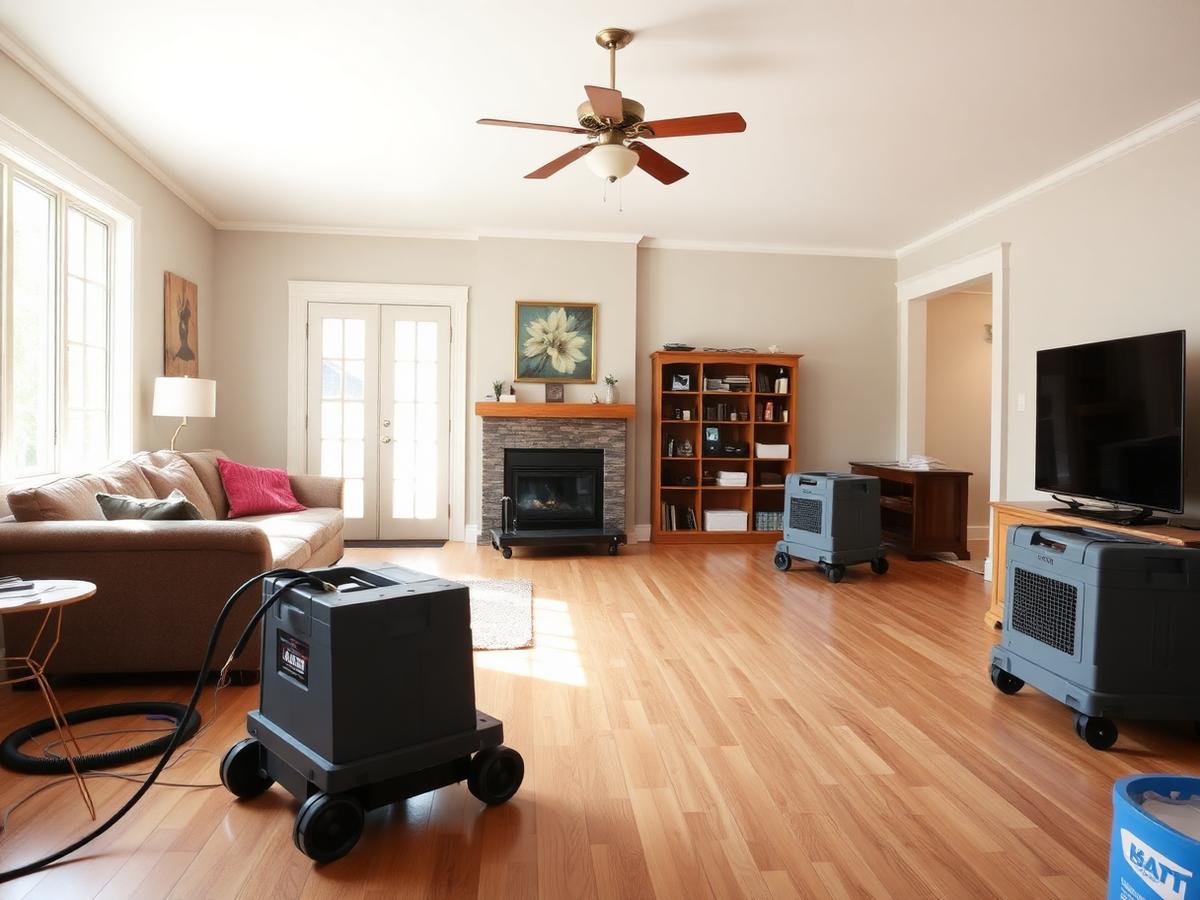
Homes are lived in while they are being dried, so equipment placement, containment and communication matter as much as the technical work.
Common causes
- Laundry and dishwasher supply line failures
- Bathroom overflows and shower pan leaks
- Roof leaks appearing at ceilings
- Basement seepage in older Niagara housing stock
Warning signs
- Stains spreading across a ceiling between visits
- Soft spots in flooring near fixtures
- Musty odour in a closet or storage room
- Peeling trim or swelling door frames
Inspection and restoration process
- 1
Room-by-room assessment with the occupant present
- 2
Protection of unaffected areas and contents
- 3
Extraction and removal of unsalvageable materials
- 4
Drying with equipment positioned around daily living
- 5
Final review and documentation of readings
The exact sequence depends on the water source, the affected materials and the extent of the damage at your property.
Materials commonly affected
- Finished flooring throughout living areas
- Interior walls and ceilings
- Built-in cabinetry and closets
- Household contents and furnishings
Why prompt action matters
- Damp materials in living space can affect indoor comfort and air quality.
- Delayed drying can extend the disruption to the household.
- Contents left in wet areas absorb moisture and odour.
Frequently asked questions
In many cases yes. It depends on the affected rooms, water category and where equipment must run.
Contact
Residential Water Damage Restoration in Niagara Falls
Describe the affected areas and we will arrange an assessment of the property.
Water Damage Niagara
5108 McRae St, Niagara Falls, ON L2E 1P5