Content Cleaning and Restoration in Niagara Falls
Belongings often decide how disruptive a loss feels. Contents are inventoried, evaluated for salvageability, and cleaned or dried where appropriate.
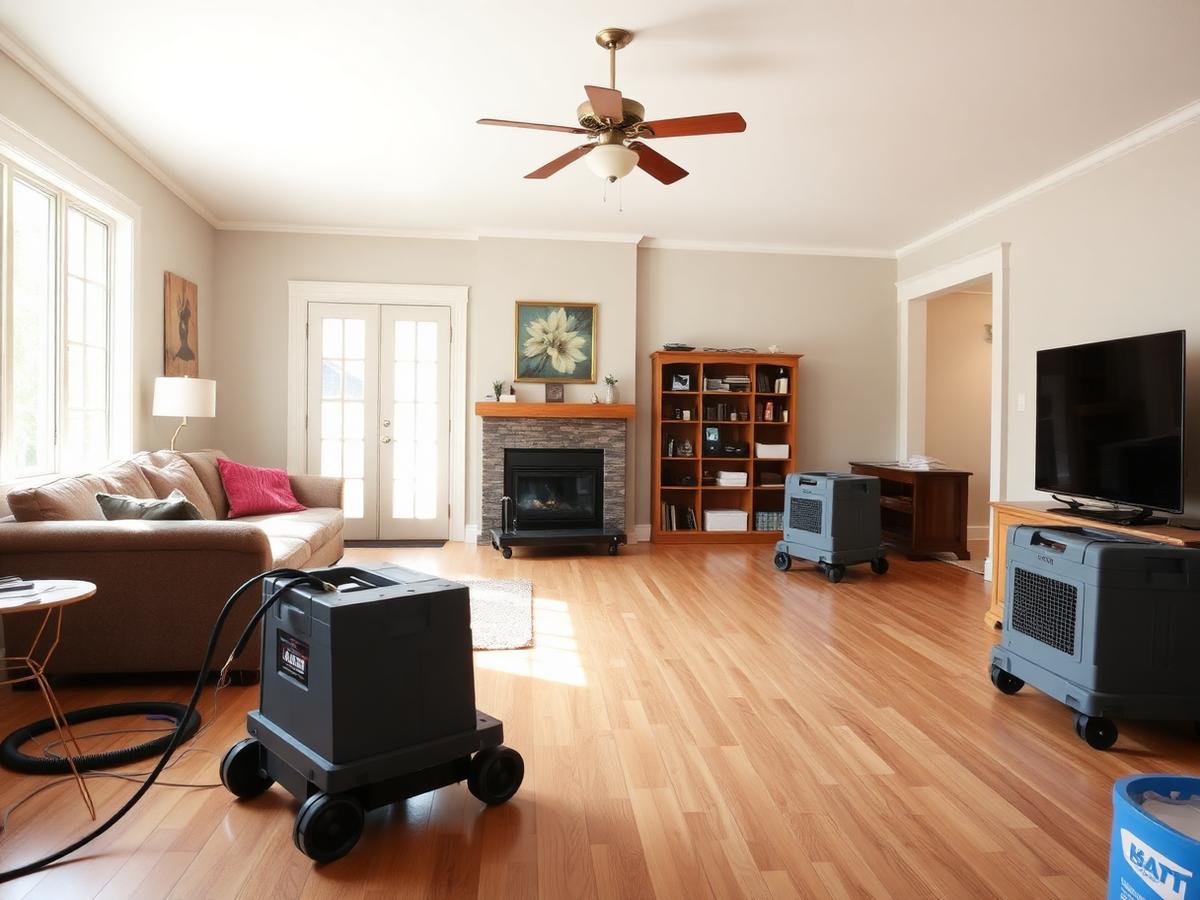
Common causes
- Contents stored directly on wet basement floors
- Furniture standing in affected rooms
- Business inventory in a flooded area
- Documents and paper goods exposed to moisture
Warning signs
- Water lines on furniture legs and boxes
- Musty odour absorbed into fabrics
- Warped wood or swollen particle board
- Corrosion on metal items
Inspection and restoration process
- 1
Inventory and photographic documentation
- 2
Salvageability evaluation by item and material
- 3
Cleaning of hard, non-porous items
- 4
Controlled drying of salvageable soft goods
- 5
Return, storage or disposal documentation
The exact sequence depends on the water source, the affected materials and the extent of the damage at your property.
Materials commonly affected
- Upholstered furniture and textiles
- Wood and laminate furnishings
- Electronics and appliances
- Documents, books and paper goods
Why prompt action matters
- Contents left in a wet environment keep absorbing moisture.
- Early separation improves salvage outcomes.
- Inventory records support the claims process.
Frequently asked questions
Porous items that absorbed contaminated water are generally not salvageable.
Contact
Content Cleaning and Restoration in Niagara Falls
Describe the affected areas and we will arrange an assessment of the property.
Water Damage Niagara
5108 McRae St, Niagara Falls, ON L2E 1P5