Odor Removal and Deodorization in Niagara Falls
Odour is information. It usually points to residual moisture, contaminated material or affected contents that are still in the property.
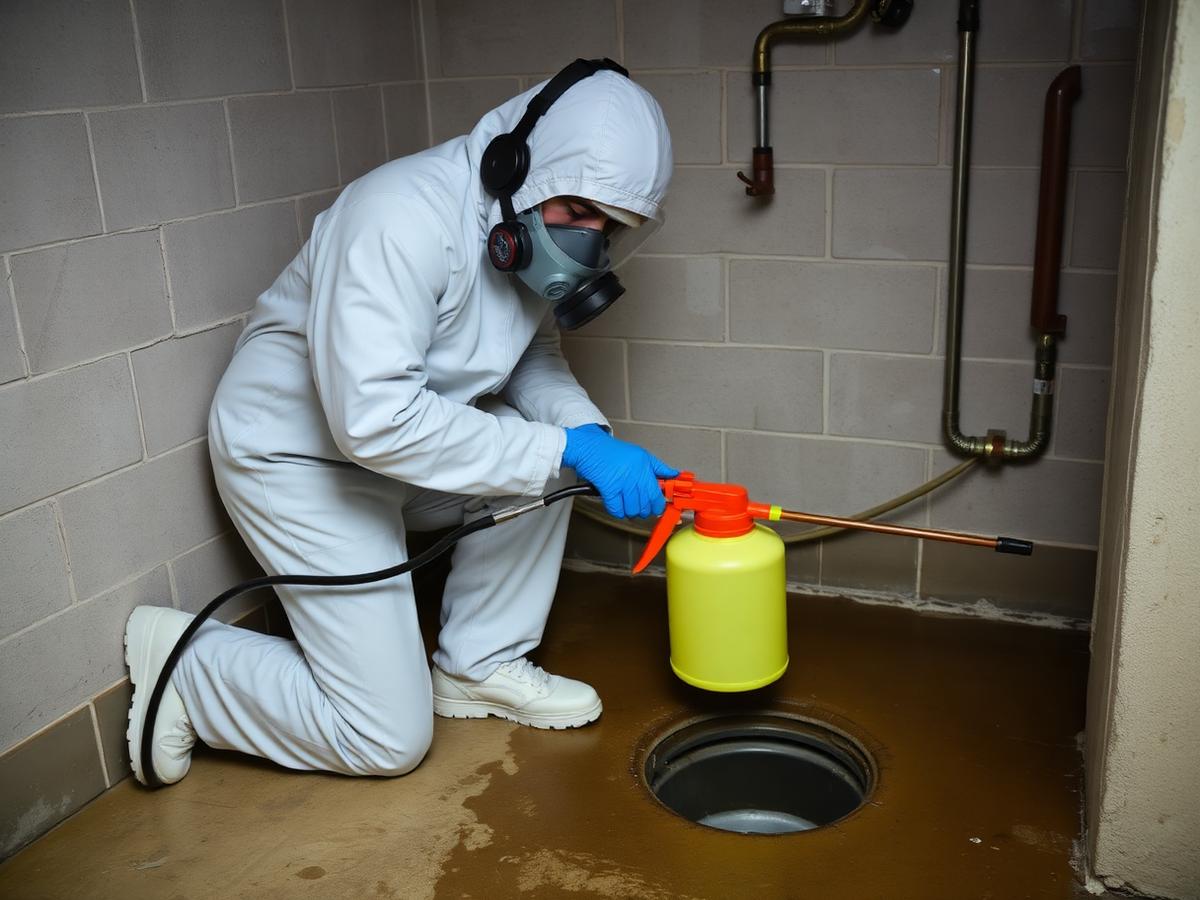
Common causes
- Materials that stayed damp too long
- Sewage residue in porous surfaces
- Mould growth in enclosed cavities
- Smoke residue after a fire event
Warning signs
- A musty smell that returns after ventilation
- Odour concentrated in one room or level
- Smell stronger near floors or vents
- Odour that intensifies with humidity
Inspection and restoration process
- 1
Locating the source material rather than the smell
- 2
Removing or cleaning affected materials
- 3
HEPA air filtration through the space
- 4
Surface treatment and deodorization
- 5
Confirming the space is dry so odour does not return
The exact sequence depends on the water source, the affected materials and the extent of the damage at your property.
Materials commonly affected
- Carpet, underpad and textiles
- Drywall and insulation
- Subfloor and concrete
- HVAC surfaces and registers
Why prompt action matters
- Masking agents wear off while the source remains.
- Odour absorbs deeper into porous material over time.
- Persistent odour usually indicates unresolved moisture.
Frequently asked questions
Because the source material is still present or the area is still holding moisture.
Contact
Odor Removal and Deodorization in Niagara Falls
Describe the affected areas and we will arrange an assessment of the property.
Water Damage Niagara
5108 McRae St, Niagara Falls, ON L2E 1P5