Water Damage Repairs and Reconstruction in Niagara Falls
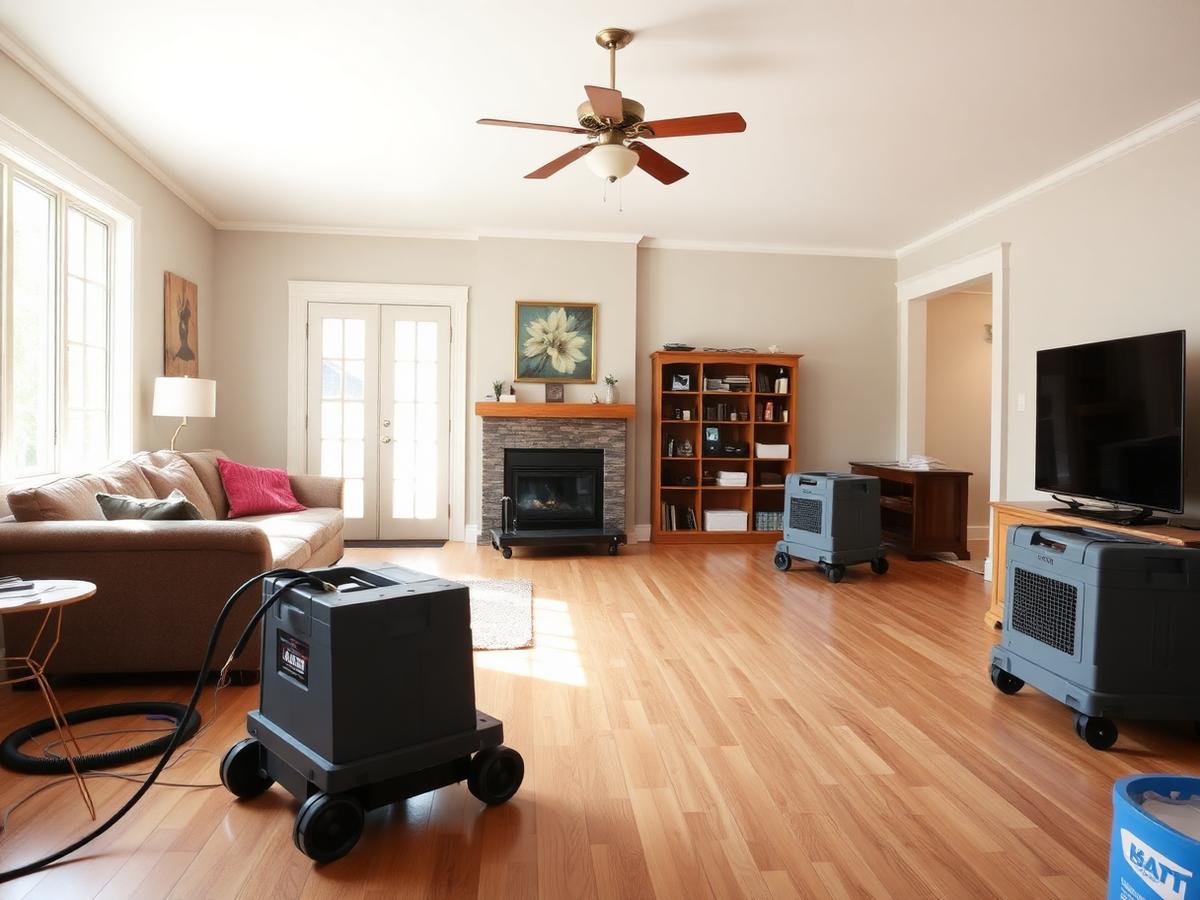
Reconstruction begins only after moisture readings confirm the structure is dry. Rebuilding over damp material simply hides the problem.
Common causes
- Materials removed during emergency mitigation
- Flooring lost to saturation
- Ceiling sections opened for cavity drying
- Cabinet and trim damage from prolonged contact
Warning signs
- Open wall cavities left after mitigation
- Missing baseboards and flooring sections
- Cut ceiling access points
- Unfinished basement framing after material removal
Inspection and restoration process
- 1
Confirming dry readings before any rebuild
- 2
Insulation and vapour barrier replacement
- 3
Drywall, taping and finishing
- 4
Flooring, trim and paint
- 5
Final walkthrough with the property owner
The exact sequence depends on the water source, the affected materials and the extent of the damage at your property.
Materials commonly affected
- Drywall, tape and compound
- Insulation and vapour barrier
- Flooring, underlay and transitions
- Baseboards, casings and paint
Why prompt action matters
- Rebuilding over wet framing creates a second, hidden loss.
- Open assemblies collect dust and damage while they sit.
- Finishing work restores the usability of the space.
Frequently asked questions
The scope is agreed in advance and follows what was removed during mitigation.
Contact
Water Damage Repairs and Reconstruction in Niagara Falls
Describe the affected areas and we will arrange an assessment of the property.
Water Damage Niagara
5108 McRae St, Niagara Falls, ON L2E 1P5