01
Water Damage Restoration
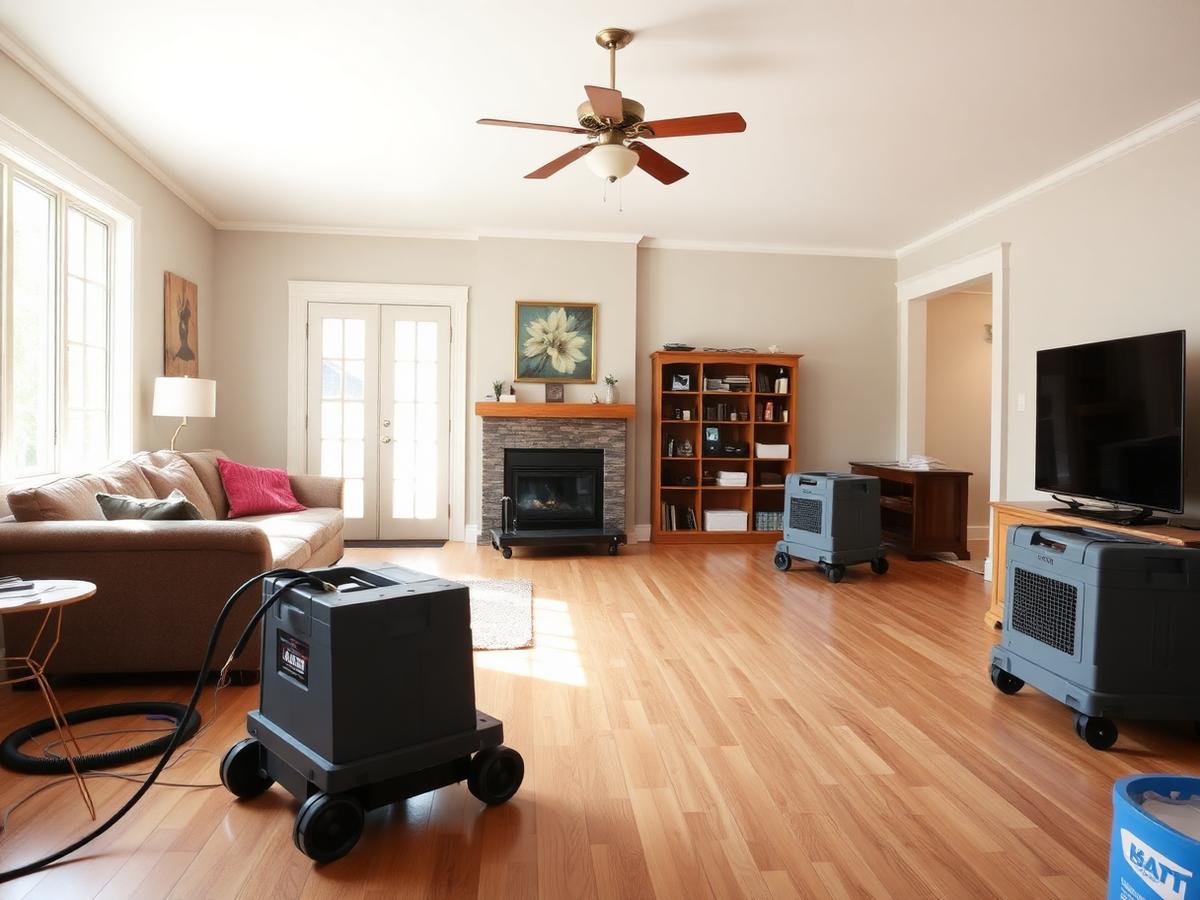
Full-scope restoration for water-affected properties, from the first inspection to a dry, usable space.
View ServiceNiagara Falls, Ontario
Water extraction, structural drying and property cleanup for homes and businesses throughout Niagara Falls and the Niagara Region.
What we provide
Quick help
Featured restoration services
01
Full-scope restoration for water-affected properties, from the first inspection to a dry, usable space.
View Service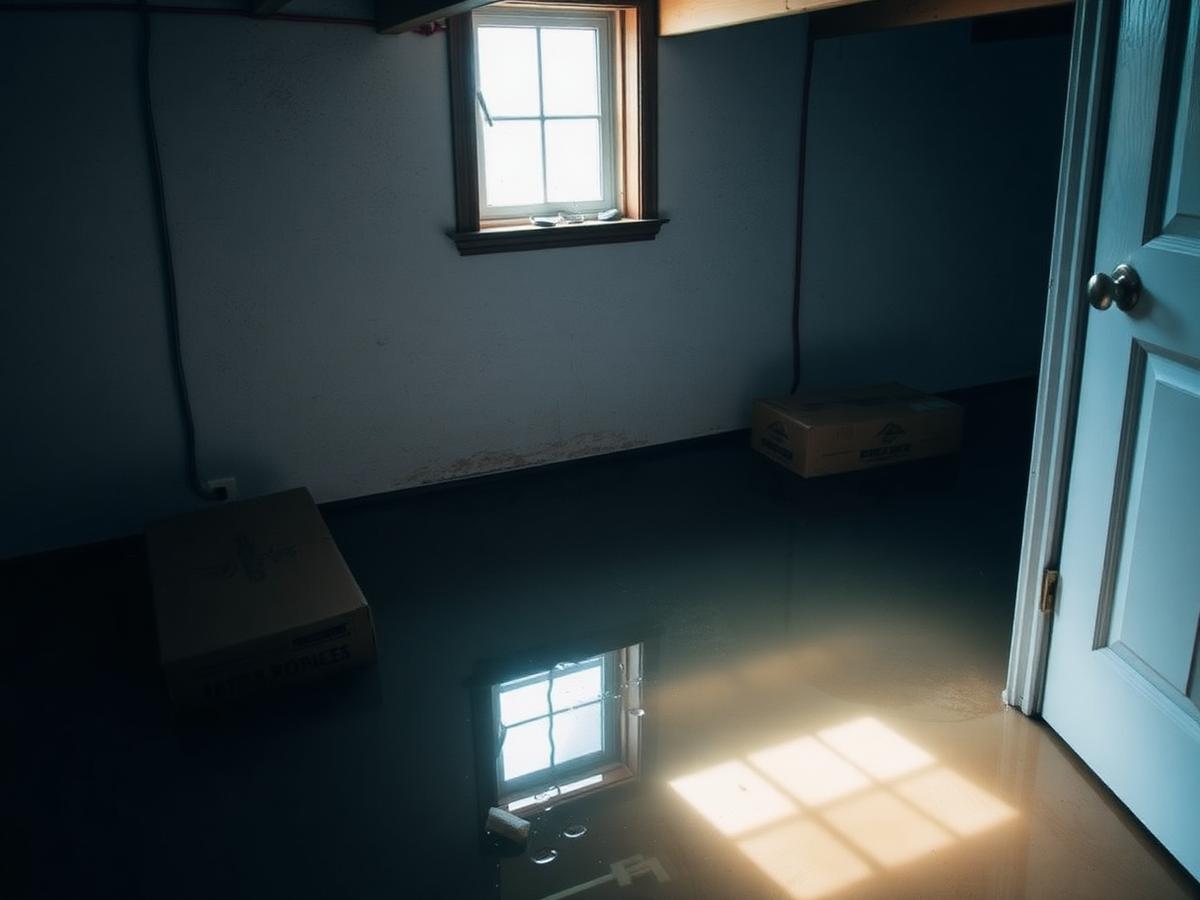
02
Cleanup after flooding events, including removal of standing water, affected materials and residual soils.
View Service03
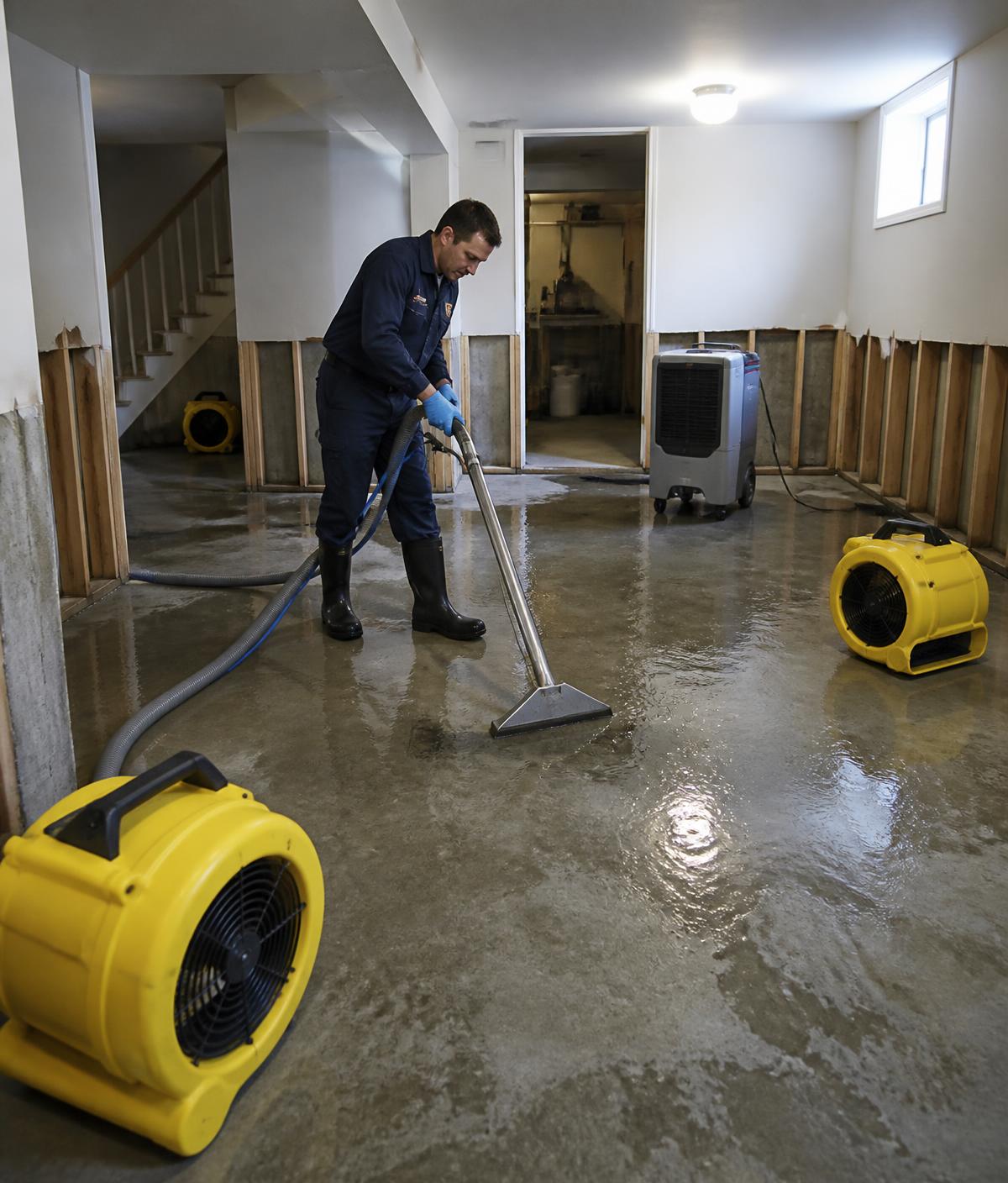
Removing water fast, then drying the structure itself with controlled airflow and dehumidification.
View Service04
Finished and unfinished basements cleared of water, cleaned and dried from the slab up.
View Service
05
Cleanup after burst, frozen or leaking supply lines, including water trapped inside wall assemblies.
View Service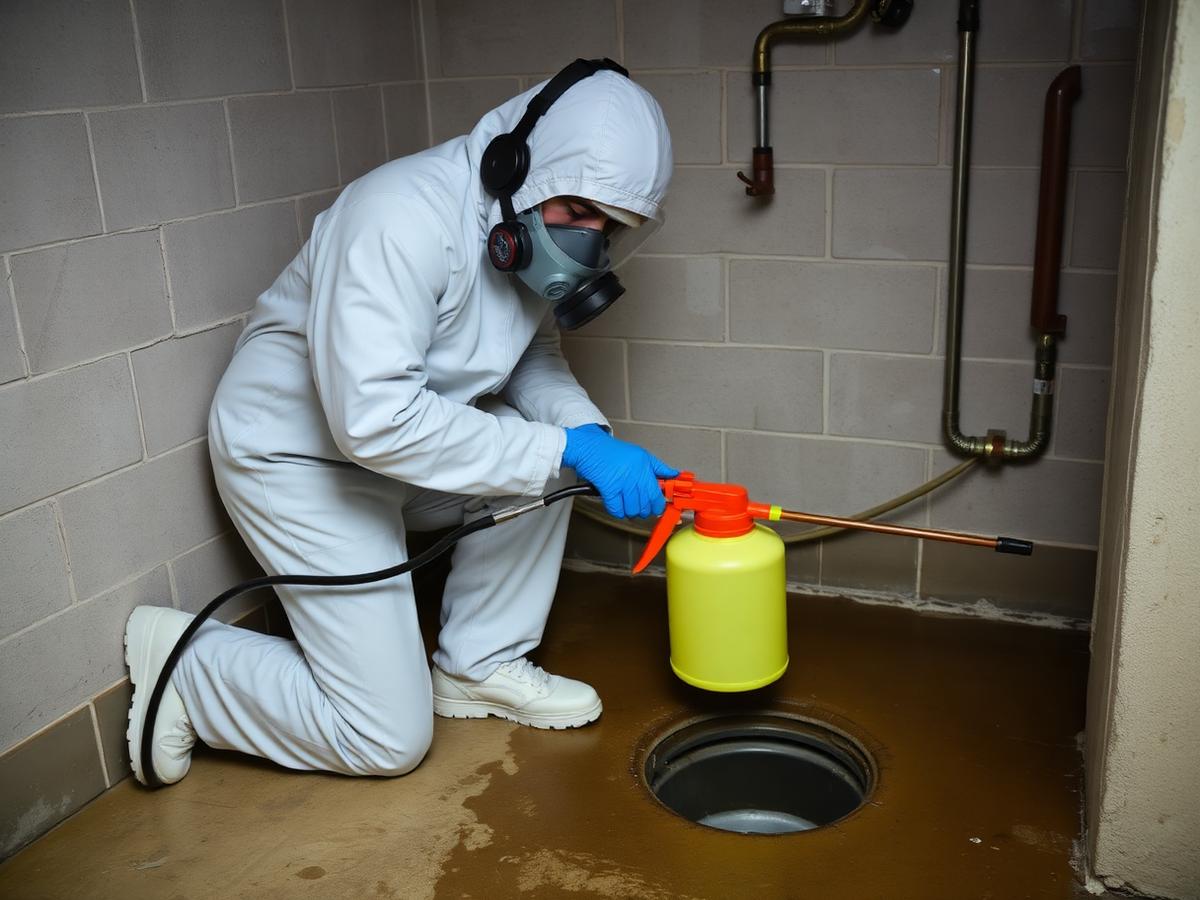
06
Contaminated backup water removed, affected materials disposed of, and surfaces cleaned and disinfected.
View Service
07
Offices, retail, hospitality, warehouses and managed portfolios dried with business continuity in mind.
View Service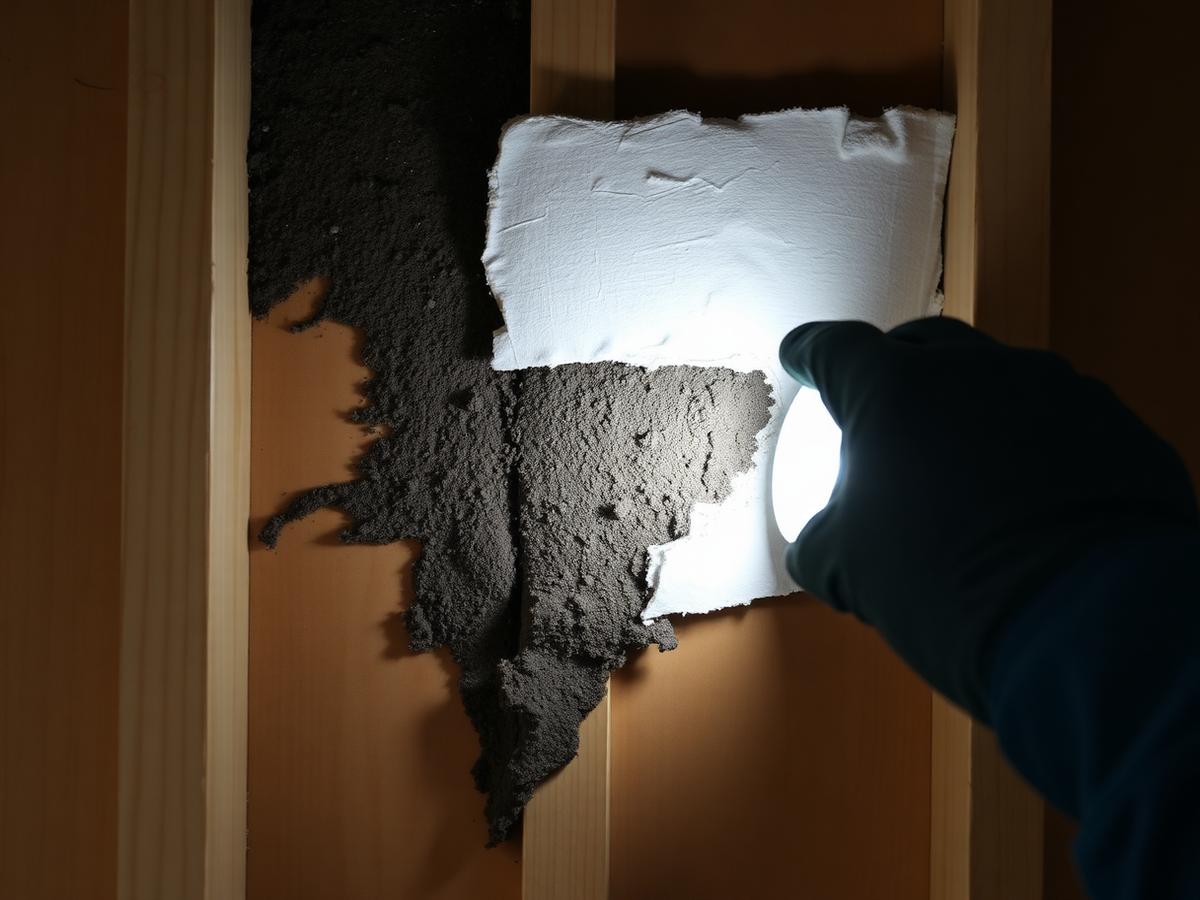
08
Contained removal of mould-affected materials, cleaning, and drying so the conditions do not return.
View ServiceRestoration process
A walkthrough of the affected and adjacent areas to understand what happened and how far the water travelled.
Confirming where the water originated and stopping it where it is safe to do so, before any drying begins.
Removing free water from floors, cavities and below-grade areas so materials stop absorbing more.
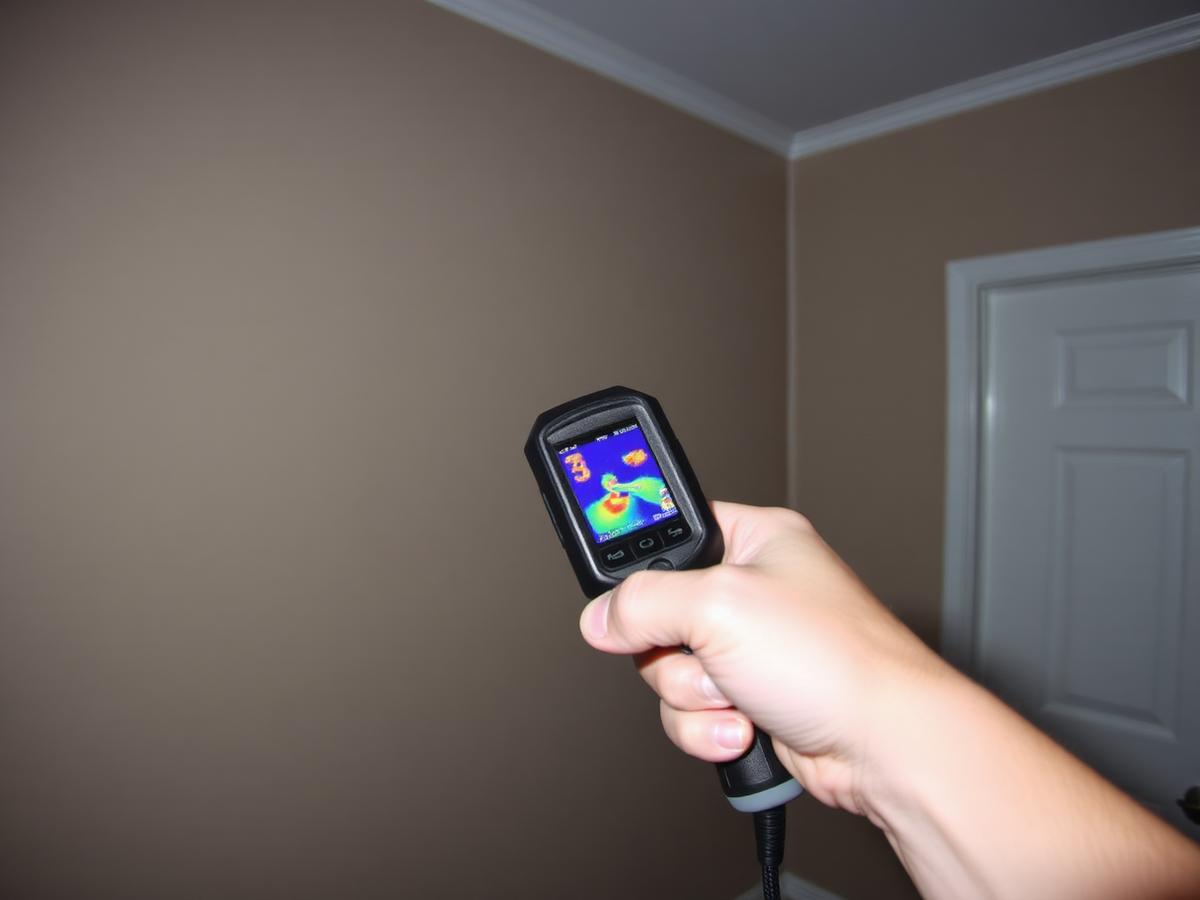
Meters and thermal imaging define the wet perimeter and determine which materials can be dried in place.
Directed airflow evaporates moisture from materials while dehumidifiers remove it from the air.
Surfaces are cleaned and deodorized, readings are confirmed against a dry standard, and repairs can begin.
The exact process depends on the water source, the affected materials and the extent of the damage. Some properties need selective material removal, while others can be dried in place.
Moisture detection
Water follows the path of least resistance. It runs along framing, wicks up drywall and settles beneath flooring, which means moisture often remains behind drywall, under floor coverings, inside cabinets and above ceilings long after the surface looks dry.
Detecting that moisture is what separates a property that is dry from one that only appears dry. Readings guide where equipment goes and when drying is genuinely finished.
Property types
Complete service directory
Service areas
Niagara Falls is our primary location. We support surrounding Niagara Region communities from that address — we do not operate separate offices in these cities, and service availability may vary by location.
See service areasCommon situations
Saturated soil pushes water toward foundation walls, where it finds cracks, cold joints and service penetrations.
Below-grade rooms collect water first and hold moisture longest because air movement and temperature both work against drying.
A pump that stops during a storm, or a discharge line that is blocked, can flood a basement within hours.
Pressurized lines release a large volume quickly, and much of it travels sideways through floor structures before it appears.
Dishwashers, washing machines and fridge lines often leak slowly behind or beneath units where nothing is visible.
Water enters at a roof penetration and tracks along framing, so the ceiling stain rarely sits below the actual entry point.
Blockages and municipal surcharge push contaminated water up through floor drains and basement fixtures.
Wind damage to roofing, siding and windows admits wind-driven rain that spreads across several levels.
Slow leaks inside walls and cavities can keep materials damp for weeks before any surface evidence appears.
FAQ
Every restoration project differs, so these answers describe how the work is approached rather than promising fixed timelines.
Stay clear of standing water near electrical equipment, stop the water source if it is safe to do so, move contents out of the affected area and photograph the damage before cleanup begins.
Contact
Tell us what you are seeing in the property and we will arrange an assessment of the affected areas.
Water Damage Niagara
5108 McRae St, Niagara Falls, ON L2E 1P5